

Bring a glass of IPA close to your nose and you might notice orange, grapefruit or a hint of tropical fruit. Those aromas can appear in a beer brewed without any fruit at all.
Wondering why IPA smells fruity? The answer comes down to hops, yeast and the way a brewer brings them together. Once you know a little about these ingredients, there is plenty to explore in your glass beyond bitterness.
Three factors help explain why IPA smells fruity: the aroma compounds naturally present in hops, the fruity esters yeast can produce during fermentation, and dry hopping, which brings hop aroma forward. These factors work together rather than acting as three completely separate flavours. A fruity description is therefore a starting point for tasting, not a list of ingredients. In the sections below, we look at each factor, distinguish hop aroma from added fruit and use Đông Ba Market IPA as a practical example. You can then try a few simple steps in your own glass.
Contents
Why IPA smells fruity: it starts with hops
Hops do more than add bitterness. Depending on the variety, they also contain aroma compounds that can remind us of citrus, tropical fruit, flowers, herbs or pine.
For example, Yakima Chief Hops describes Idaho 7 hops with citrus, tropical fruit and pineapple notes. Those words describe the hops themselves, rather than a mixture with fruit juice added.[1]
When someone says a beer “smells like grapefruit,” they are using a familiar scent to explain what they notice. It is a simple way to make flavour easier to picture, especially if you are just getting to know craft beer.
How yeast contributes to fruity aromas in IPA
During fermentation, yeast can produce compounds called esters, which contribute fruity aromas. Different yeast strains behave differently: some stay fairly neutral, while others bring a more noticeable fruit character.
Yeast can also interact with certain compounds from hops, changing the aroma of the finished beer. Brewers call these changes biotransformation. How much of an effect you notice depends on the yeast strain, the ingredients and the fermentation conditions.[2]
This is another part of why IPA smells fruity. Its aroma reflects both the recipe and what happens during brewing and fermentation. Choosing the hops matters, and so does helping their character come through in the beer.

Dry hopping brings hop aroma forward
If you read about IPA, you will often come across dry hopping. This means adding hops during or after fermentation to bring out hop aroma in the finished beer.[3]
Think of it this way: the brewer chooses both the hop variety and the moment to add it, depending on the kind of aroma they want. Timing is part of the recipe too.
Dry hopping can also change bitterness. Its effect depends on how much hop material is added and on the beer before that addition.[4] A particularly aromatic IPA is therefore not necessarily the most bitter one.
To see where these steps fit into the journey from ingredients to the tap, read how we brew a 300-litre batch at Đông Ba.
Fruity aroma does not always mean added fruit
Descriptions such as “orange,” “grapefruit” or “pineapple” do not tell you on their own whether those fruits went into the beer. As the hop and yeast examples show, they may simply describe how it smells.
It also helps to separate fruity aroma from sweetness. An IPA can smell fruity and still taste distinctly bitter, with a dry finish. Try smelling it first, then taking a small sip. Those two impressions can feel quite different.
Of course, brewers can choose to add real fruit to a recipe too. Đông Ba Tamarind Beer, for example, uses tamarind as an ingredient. If you want to know whether a beer contains fruit, check its ingredient information or ask the brewer. An aroma description alone cannot tell you.[5]
Explore the aroma of Đông Ba Market IPA
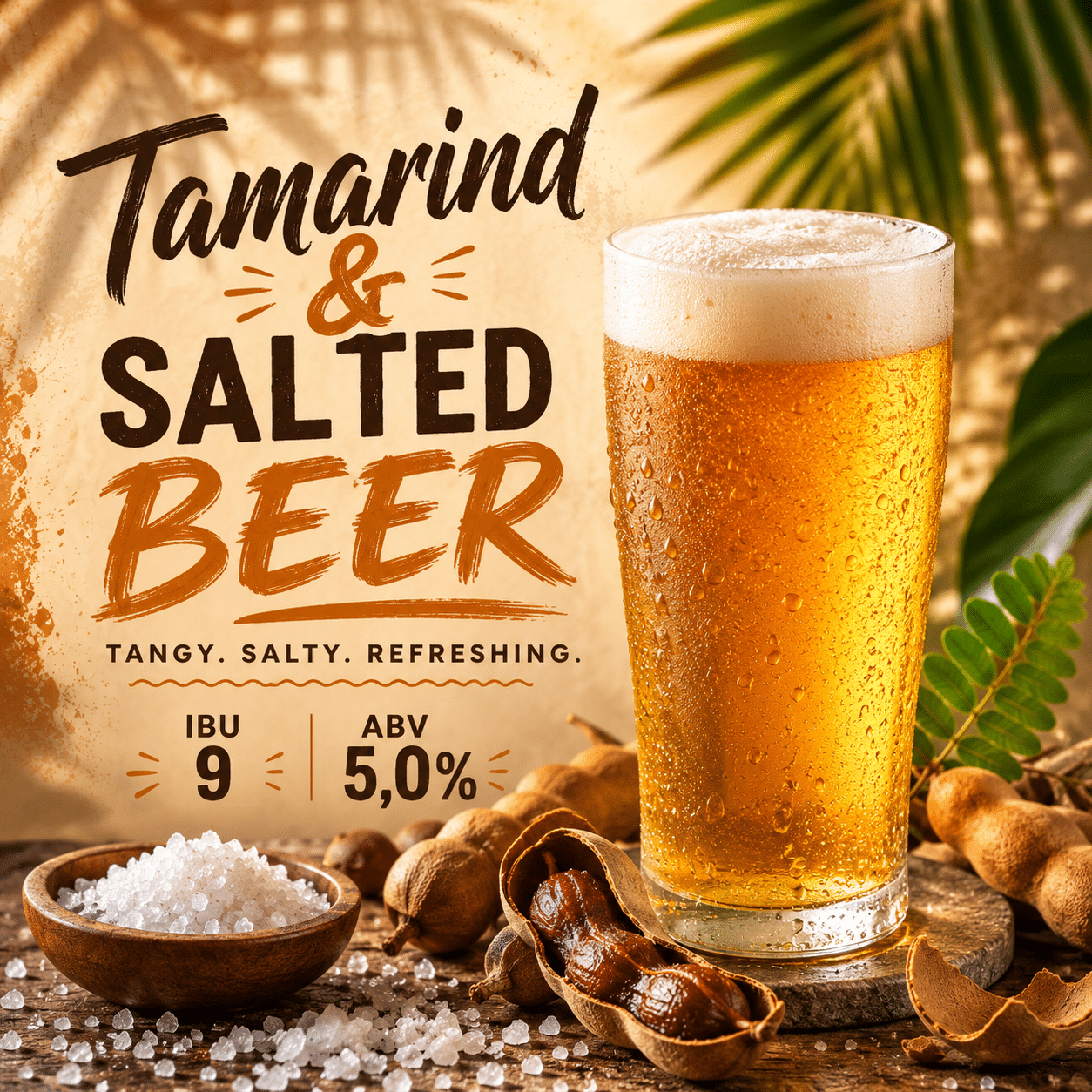
In the Đông Ba Brewery beer range, Đông Ba Market IPA is described as having citrus, grapefruit, tropical fruit and pine notes over a malt base with a gentle touch of caramel. Its listed specifications are 6.0% ABV and 39 IBU.[6]
It is a good glass to spend a little more time smelling. Before your first sip, bring it closer and take a gentle sniff. What do you notice first: grapefruit peel, fruit or pine? After a small sip, how do those aromas sit alongside the bitterness and malt?
You do not have to find every word in the tasting notes. You might recognise something familiar without quite being able to name it. Start with your own associations and share them with the people at your table.
Three simple ways to enjoy your IPA a little more slowly
Now that you know why IPA smells fruity, try these three small steps next time you order one:
- Smell before you sip. Bring the glass close to your nose and sniff gently for a first impression of the aroma.
- Take a small sip. Pay attention to the bitterness, the feel of the beer in your mouth and the finish.
- Try it again after a few minutes. As the beer becomes a little less cold, some aromas may be easier to notice.[7]
There is no need to turn a beer with friends into a test. A few extra seconds with your glass can be enough to notice something you have missed before. Understanding why IPA smells fruity simply gives you another way to enjoy it.
If you would like to explore those layers in an IPA brewed here in Huế, book a table at Đông Ba Brewery. Order a Đông Ba Market IPA, start with a gentle sniff and let the conversation unfold alongside the flavours in your glass.
Frequently asked questions about why IPA smells fruity
Does a fruity aroma mean an IPA is sweet?
Not necessarily. Aroma and sweetness are different sensations. You may smell orange, grapefruit or pineapple, yet notice bitterness and a dry finish when you take a sip. To tell them apart, smell the beer first, then take a small sip. Pay attention to aroma and taste separately instead of combining them into a single impression.
Do all IPAs smell the same?
No. Hop varieties, yeast strains and brewing methods can produce different aromas. Some IPAs suggest citrus or tropical fruit, while others lean towards pine resin, flowers or herbs. When comparing two IPAs, start by asking, “Which aroma do I notice first?” Then try describing it through a familiar association of your own.
Can hops have a pineapple aroma without containing pineapple?
Yes. “Pineapple” can be a sensory description of the hops themselves. For example, Yakima Chief Hops describes Idaho 7 as having citrus, tropical fruit and pineapple notes.[1] This does not mean that every IPA uses Idaho 7, or that an IPA smelling of pineapple necessarily has pineapple added. To find out which hop variety a particular beer uses, check the brewer’s information.
Does dry hopping mean adding fruit to beer?
No. Dry hopping means adding hops during or after fermentation to highlight hop aroma.[3] Since hops can suggest fruit, the finished beer can still have those aromas even though this step uses neither fruit nor juice. Adding fruit is a separate ingredient choice, which should be confirmed from the recipe or product information.
How can I tell whether a beer is brewed with real fruit?
Check the ingredient information or ask the brewer directly. An aroma description alone is not enough to establish the recipe. You can also compare it with a product that explicitly lists fruit as an ingredient, such as Đông Ba Tamarind Beer, which uses tamarind.[5] Reading product information this way helps you distinguish what you smell from the ingredients actually added to the brew.
Sources
[1] Yakima Chief Hops: Idaho 7. An example of citrus, tropical fruit and pineapple aromas from hops.
[2] Lallemand Brewing: Biotransformation and IPA Solutions. Yeast strains, esters and interactions between yeast and hop compounds.
[3] CraftBeer.com: Beer Glossary. The definition of dry hopping.
[4] Hopsteiner: Dry Hopping and its Effects on Bitterness. How dry hopping can increase or decrease bitterness.
[5] Đông Ba Brewery: Tamarind Beer. A beer made with tamarind.
[6] Đông Ba Brewery: Our Beers. Tasting notes and specifications for Đông Ba Market IPA.
[7] CraftBeer.com: Beer Styles Study Guide. How serving temperature affects aroma and flavour.